


Part of the diva holy trinity alongside Whitney Houston and Celine Dion, the powerhouse singer has remained relevant by combining trademark power ballads with cutting-edge R&B pop
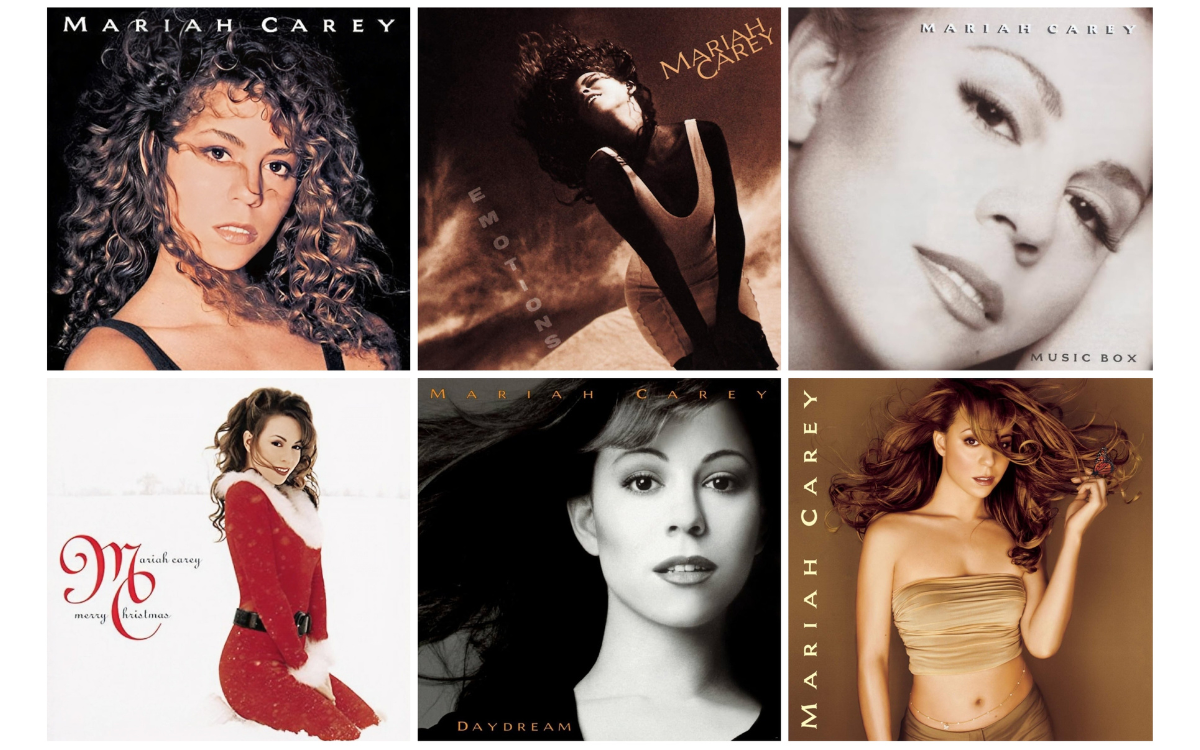
Mariah Carey (1990)
“When I heard and saw Mariah, there was absolutely no doubt that she was in every way destined for superstardom,” Sony Music boss Tommy Mottola once remarked to The New York Times about the formidable vocal powerhouse (and future wife) whose early career he’d famously control. Indeed, ever since freestyle singer Brenda K. Starr helped alert the industry to her talents, Carey was tipped for greatness. And on her remarkable self-titled debut album, she immediately justified all the hype.
Following its release in June 1990, Mariah Carey spent 11 weeks atop the Billboard 200, spawned four consecutive Hot 100 No.1s to equal the Jackson 5’s long-time record and inspired Grammy voters to award the diva Best New Artist.
Deservedly, lead single Vision Of Love also picked up a coveted golden gramophone, its adult contemporary take on 50s doo-wop immediately earmarking Carey as a challenger to Whitney’s crown. Her five-octave range was also on full display on the vibrant New Jack Swing of Someday, lush Quiet Storm of All In Your Mind and rock-tinged You Need Me. On There’s Got To Be A Way, a joyous blue-eyed soul affair which provides a rare detour into political activism (“I don’t understand how there can be/ Regulated bigotry”), she first unleashed the kind of glass-shattering whistle register that became her forte.
But the 15-million seller also showcased many of Carey’s often overlooked talents, too. Far from being the record label puppet she was often purported to be, the star co-wrote every single one of the album’s 11 offerings.
In fact, the majority were penned with her friend Ben Margulies long before she signed to Columbia. She also turns producer on the heartbreaking track Vanishing, performed with only jazz fusion pianist Richard Tee for company. She even throws in a little bit of rapping on the Paula Abdul-esque dance-pop of Prisoner, although admittedly her rhymes are more MC Skat Kat than MC Lyte.
Of course, Mariah Carey’s string of overwrought ballads can test the patience. The singer herself was reluctant to record I Don’t Wanna Cry, expressing concerns that its pure schmaltz would immediately pigeonhole her as a hairbrush in the mirror balladeer. And although it did the chart-topping business, it’s hard to see why equally melodramatic closer Love Takes Time was desperately rushed through as a last-minute addition. Overall, however, it’s easier to see why Carey became one of the most biggest names in 90s pop.
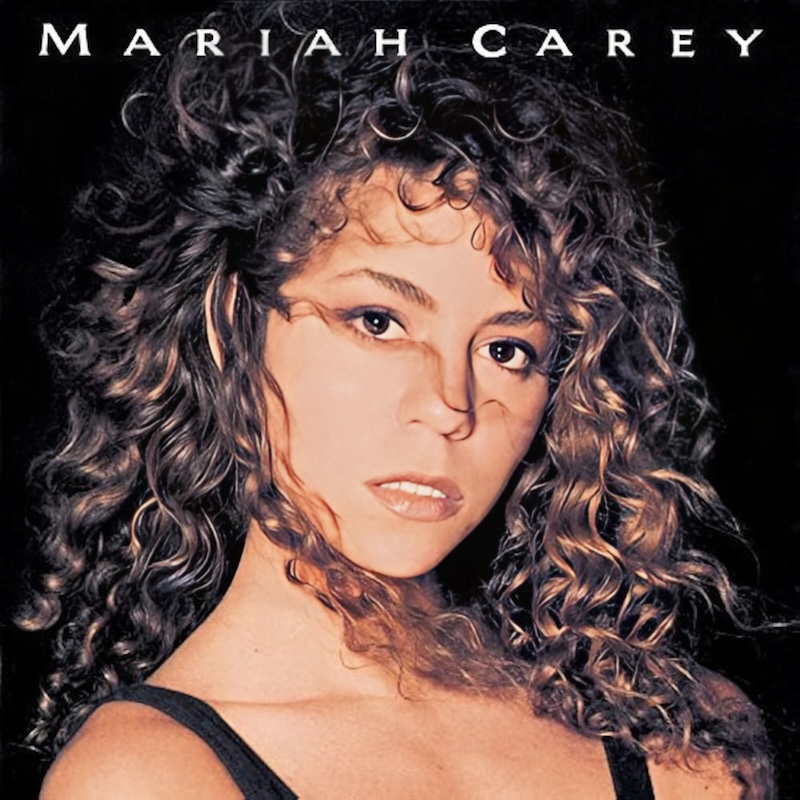
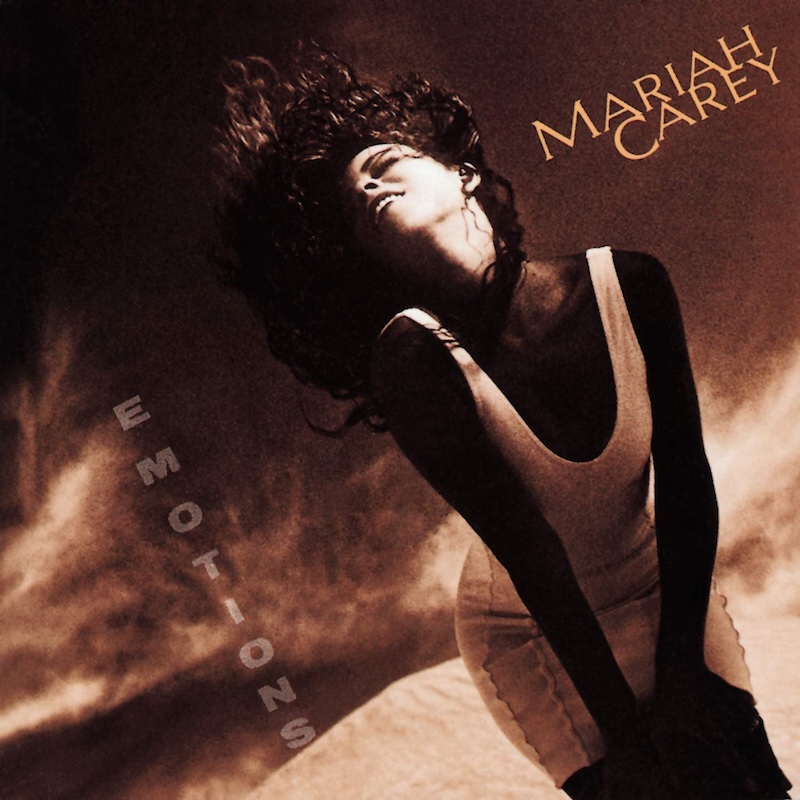
Emotions (1991)
Such Mariah Carey’s dominance that despite shifting eight million copies, producing a fifth US No.1 single and bagging two further Grammy nods (including Producer of the Year), follow-up Emotions was still regarded as a sophomore slump.
Sure, it’s perhaps the least essential listen from the diva’s imperial phase, and in the UK at least her most unfamiliar, too (it’s her only 90s album which failed to produce a Top 10 hit). But with collaborator Walter Afanasieff the sole behind-the-scenes holdover, it proved that Carey wasn’t interested in resting on her laurels.
The recruitment of C+C Music Factory, who’d only just scored a massive Stateside chart-topper of their own with Gonna Make You Sweat (Everybody Dance Now), showed that while often marketed as traditional pop, Carey had her fingers firmly on the contemporary pulse.
The duo’s first contribution, the title track opener Emotions, delivered a knockout, with its euphoric head-over-heels declarations and nods to The Emotions’ Best Of My Love creating one of Carey’s most feel-good bops. The bass-driven funk-pop of Make It Happen, is almost as soaring. And To Be Around You is another solid banger which channels the uplifting post-disco of Cheryl Lynn.
Further proof of how highly regarded Carey had become within the songwriting elite is the presence of Carole King. The legendary hitmaker had initially suggested a cover of her Aretha Franklin standard (You Make Me Feel Like) A Natural Woman before being persuaded to co-pen a new number instead. If It’s Over doesn’t reach the same highs, but it’s a classicist throwback in which Carey displays her vocal prowess in a more restrained manner than usual.
There are plenty of big-lunged power ballads elsewhere, including the Unchained Melody-esque So Blessed and despondent break-up anthem Can’t Let Go, all of which place more emphasis on vocal pyrotechnics than on melodies. Much more impactful is closer The Wind, a jazz-tinged eulogy to a late close friend, which proved that Carey didn’t always need to sing about love.
Music Box (1993)
Following her memorable MTV Unplugged session which spawned a hit cover of The Jackson 5’s I’ll Be There, Carey returned to the studio for a third LP which elevated her career to another level. Indeed, Music Box was the first of two consecutive diamond albums, a clear validation of the diva’s insistence on taking more creative control: “Now it’s more me coming across,” she told MTV at the time. “It’s not somebody else’s perception of me.”
Of course, listeners may wonder exactly how Hero, the self-empowering slowie first handed to Gloria Estefan, and Without You, the blockbuster rendition of Badfinger’s tearjerker which gave Carey her first No.1 this side of the Atlantic, differed from what had gone before. Likewise, the sickly-sweet tale of unrequited love that is All I’ve Ever Wanted, the gloopy title track and dramatic belter Just To Hold You Once Again, all suggested she desperately needed to break free from the songwriting shackles of regular partner Afanasieff.

Luckily, Music Box had more to offer than the kind of go-for-broke ballads that would later become the bane of every Simon Cowell TV talent show.
The effervescent R&B pop of I’ve Been Thinking About You made you wish she’d clocked in more with its producers C+C Music Factory. Opening lead single Dreamlover’s contrasting blend of emphatic New Jack Swing beats and featherlight melodies – this time directly sampling The Emotions – was closer to Janet Jackson’s janet. than Whitney Houston’s Bodyguard soundtrack, two of the period’s other female-fronted chart behemoths. And backed by a gloriously uplifting church choir and future diva Kelly Price, Anytime You Need A Friend’s declaration of devotion instantly joined the canon of gospel pop standards. In fact, it sounded like it had always been there.
Despite the star’s pre-release spiel, Music Box undoubtedly feels more like the tentative start of a transitional phase than a full-blown reinvention. But as its impressive gargantuan sales confirm, this is the Carey that the general record buying public gravitated towards the most.
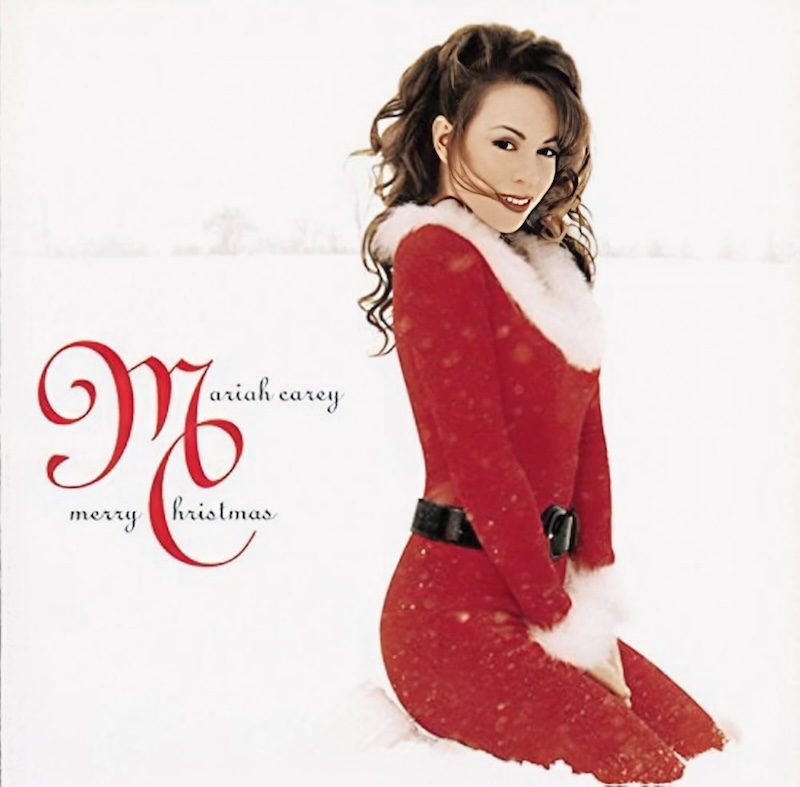
Merry Christmas (1994)
Although recorded as an attempt to better channel her faith through her music, Carey’s first holiday album had a knock-on effect which has only grown stronger over the following 30 years. Indeed, for the younger generation, the diva is now better known as the Queen of Christmas songs than for her record-breaking chart reign.
One track is pretty much responsible for this turn of events. A joyful seasonal pastiche of Phil Spector’s Wall of Sound, All I Want For Christmas Is You instantly became part of the festive canon upon its 1994 release (even though it was beaten to the Christmas No.1 spot by East 17) and is now as synonymous with the big day as Saint Nick himself.
The two other originals, the lovelorn balladry of Miss You Most (At Christmas Time) and the hymnal slow-builder Jesus Born On This Day, can’t compete, obviously. But a rollicking cover of Santa Claus Is Comin’ To Town and vintage soul take on O Holy Night bring further feel-good vibes, while Carey’s melismatic vocals also make their mark on a near-a cappella version of Silent Night and gospel house rendition of Joy To The World.
Carey’s affection for all things Yuletide means that the Merry Christmas album feels like a genuine love letter rather than a cynical cash-in.
Daydream (1995)
Carey’s quest for artistic control felt much more pronounced on her fifth LP, another monster-selling affair whose hip-hop and R&B leanings initially left Columbia perturbed. “Everybody was like ‘What, are you crazy?’” the diva later revealed to Entertainment Weekly. “They’re nervous about breaking the formula. It works to have me sing a ballad on stage in a long dress with my hair up.”
Daydream doesn’t entirely abandon such material. See the resolutely old-school love song When I Saw You and the skyscraping take on Journey’s Open Armswhich appeared to kickstart Carey’s unlikely fascination with big-haired 80s power ballads. And the US was practically taunted for 16 weeks with One Sweet Day, the record-breaking No.1 collaboration with Boyz II Men which, although designed as a tribute to her late producer David Cole, felt more like a vocal gymnastics duel.

However, Underneath The Stars, a vinyl-cracking piece of lush soul inspired by Minnie Riperton, and Melt Away, a sensuous slow jam featuring a vocal so uncharacteristically deep it was mistaken for producer Babyface’s, showed that Carey could slow things down with a sense of restraint.
Of course, Daydream’s true game-changer is its opener, the first single ever from a female artist to debut atop the Hot 100. A joyful ode to impossible love, Fantasy essentially set the template for the Carey lead single, skilfully interweaving an 80s sample (in this case Tom Tom Club’s Genius Of Love) through a blend of glistening harmonies, funky basslines and G-funk synths. A remix, featuring Wu Tang Clan’s Ol’ Dirty Bastard, meanwhile, paved the way for the pop/rap crossover that would become the norm.
It’s arguably her finest hour. But Always Be My Baby runs it a close second, Jermaine Dupri’s sparse production and Carey’s tender melodies providing a carefree mid-tempo, which as its summer house video highlighted, is perfect for a lakeside rope swing singalong. However, as the confessional closer Looking In hinted, not everything in the Carey camp was picture-perfect.
Butterfly (1997)
“I mean, people used to think I was the 90s version of Mary Poppins” Carey noted to The LA Times while promoting the album which, as its title suggests, represented a metamorphosis, sonically, thematically and visually. Indeed, girl-next-door Mariah was no more. Instead, the diva embraced a more provocative side that Mottola had previously been determined to keep under wraps. It’s no coincidence that shortly before Butterfly’s release, the music industry power couple announced their split.
Carey’s sixth studio effort occasionally alludes to the marriage troubles that came to a head during its recording. Cited as her own favourite ever ballad, the title track is an idealised “if you love them, set them free” plea sung from the perspective of her ex-husband. And on emotive ballad Close My Eyes, the singer paints herself as a “wayward child” who perhaps “grew up too soon.” But the close proximity of the separation to the finished product meant that gossip hounds had to wait for future albums for a more in-depth relationship post-mortem.
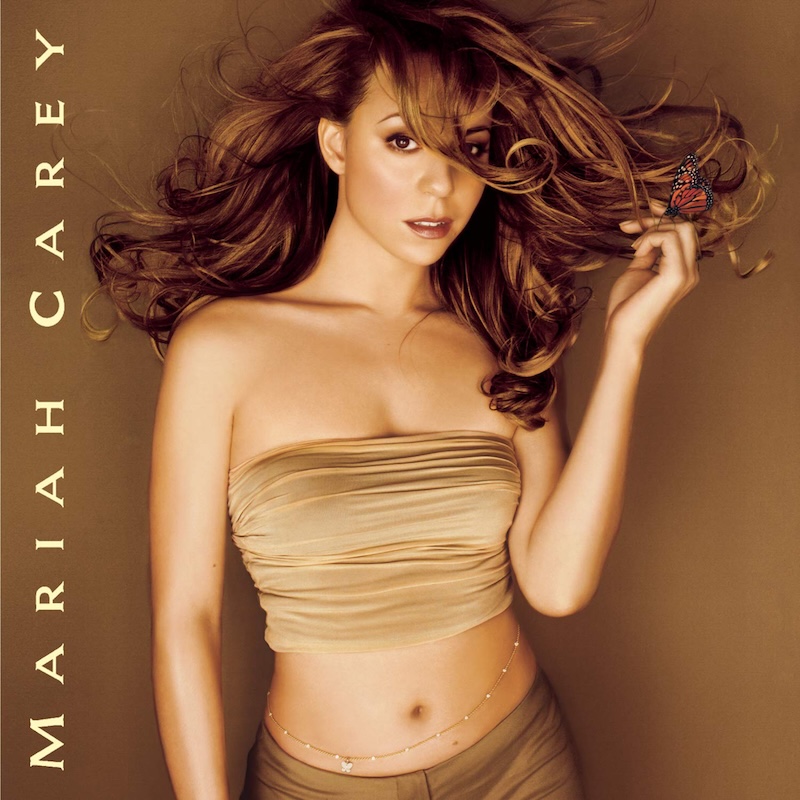
But Carey’s canny choice of in-vogue collaborators ensures the record still compels without all the tabloid drama. Missy Elliott, for example, stamps her distinctive mark with the typically forward-thinking R&B of Babydoll. Two members of the famously fast-talking trio Bone Thugs-n-Harmony show up to set the pace on the staccato-led Breakdown. And now-disgraced hip-hop mogul P Diddy steers Carey further into hip-hop waters with the chunky basslines, assertive beats and classic B-boy samples of lead single Honey.
However, Carey’s reinvention is at its most convincing when she goes it alone: see the neo-soul of Fourth Of July and The Roof (Back In Time), a nocturnal reworking of Mobb Deep’s rap classic Shook Ones in which she breathily recollects an alfresco encounter.
The Latin-tinged melodrama of My All and The Beautiful Ones, a cover of Prince’s Purple Rain cut in which she and Dru Hill’s Sisqó seemingly attempt to break the sound barrier, would no doubt have placated the men in suits.
But while it occasionally relies on old tricks, Butterfly remains the most important chapter of Carey’s musical evolution.
Rainbow (1999)
While Butterfly was defined by the breakdown of her marriage, follow-up Rainbow was a much more colourful affair inspired by the first flourishes of a new romance with Luis Miguel. Lovestruck ballads such as Thank God I Found You and After Tonight, a Diane Warren-on-Autopilot number, suggests the typically aloof diva wasn’t exactly playing it cool.
However, Petals, a painfully honest account of her troubles with estranged sister Alison, and a saccharine cover of Phil Collins’ Against All Odds ensured Rainbow still contained a smattering of Carey’s usual heartbreak.
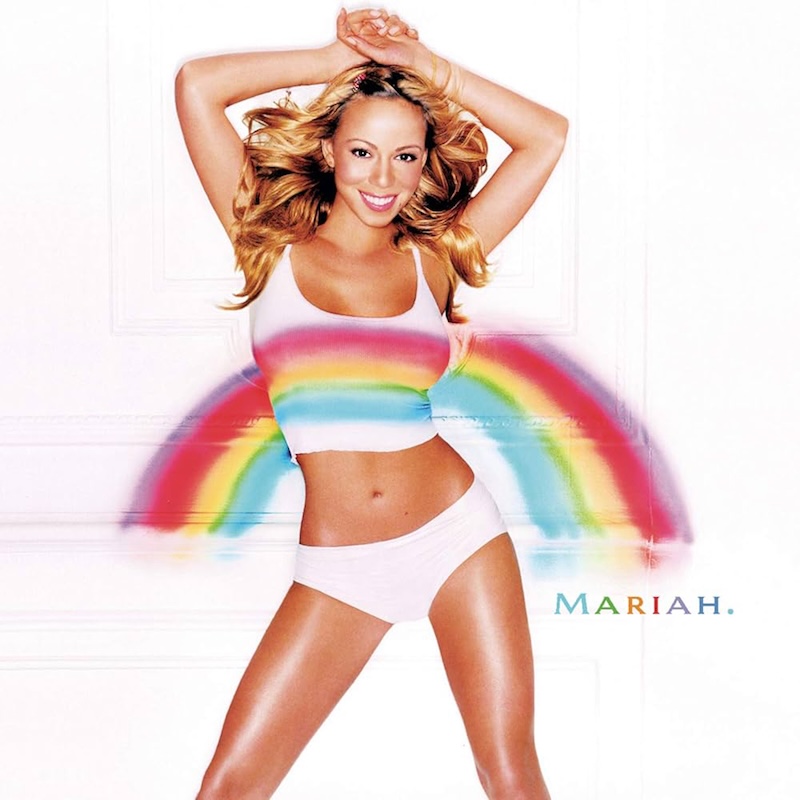
It even opens with a Jay-Z-assisted, Stacy Lattisaw-sampling jam named Heartbreaker. Boasting potty-mouthed rhymes from Da Brat and Missy Elliott, the slinky remix further established Carey’s hip-hop credibility. Likewise, collaborations with Snoop Dogg and the boisterous Mystikal, along with the Usher-featuring, Tupac-sampling How Much, reinforced her modern street swag.
But Carey’s insistence on another Warren-penned plodder, Can’t Take That Away (Mariah’s Theme), getting a single release, causing a conflict that would ultimately lead to her departure from the record label, hinted that her creative judgement was becoming slightly off-key.
Glitter (2001)
“The pop equivalent of Chernobyl” read one AllMusic review of the album that nearly sank Carey’s career – evidence of the hyperbolic pile-on that she was subjected to at the time. Sure, the same-named film in which she starred as an aspiring singer was a cinematic car crash. But its soundtrack is far from as catastrophic.
Ironically, considering all the drama that was to follow, Glitter remains Carey’s most feel-good album, with names such as Jam & Lewis, Cameo and Rick James helping to root its dozen tracks in the roller rink post-disco of the 1980s. Covers of Didn’t Mean To Turn You On and Last Night A DJ Saved My Life also amplify the nostalgic vibes.
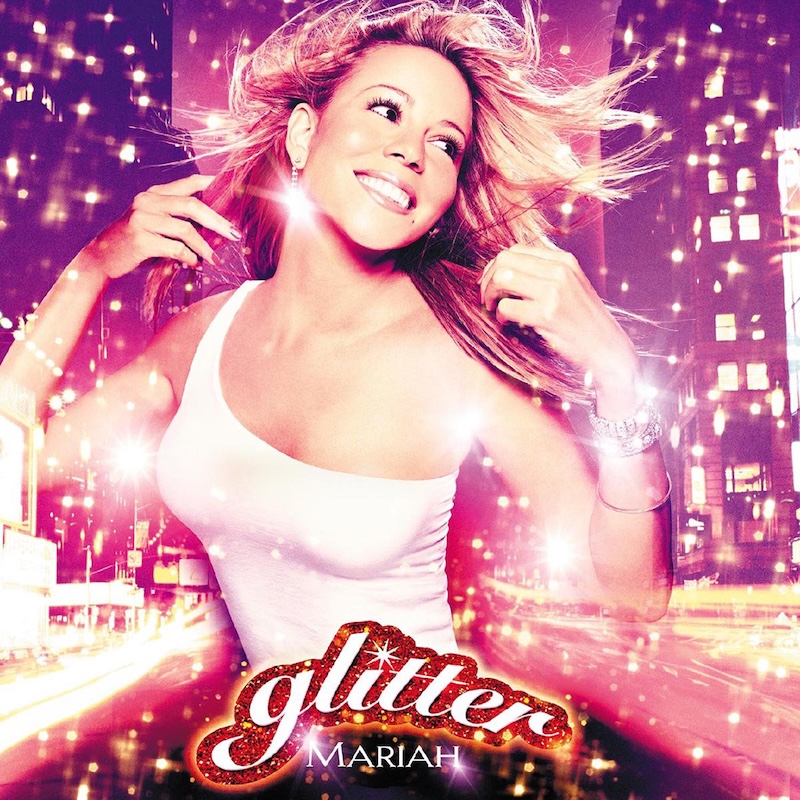
Admittedly, the party is occasionally stalled by the dreaded gloopy ballad, with Lead The Way more concerned with breaking Carey’s note-sustaining record (18 seconds) than providing a hook. But had Glitter not been associated with such an ill-advised vanity project, it wouldn’t have become shorthand for pop disaster.
Of course, while Carey was in fine form musically, her mental health was unravelling. And after a troubling appearance on MTV and various erratic online posts, she was hospitalised for exhaustion and Virgin – who’d only just paid $100 million for her services – quickly paid for her to go away.
Charmbracelet (2002)
“I try to always turn to the positive rather than drown in the negative,” Carey remarked to Radio And Records about her damage control ninth album. Indeed, any fans hoping for candid insights into the troubles of the Glitter era had to wait another two decades for her memoir. Charmbracelet’s default subject was still affairs of the heart.
Even when she did occasionally allude to all the personal drama, it was with the most generic of sentiments. See gospel number My Saving Grace and lead single Through The Rain, a Hallmark card-esque tale of triumphing over adversity which blatantly attempted to replicate the lung-busting power ballads of her 90s heyday.
Charmbracelet was similarly uninspiring throughout.
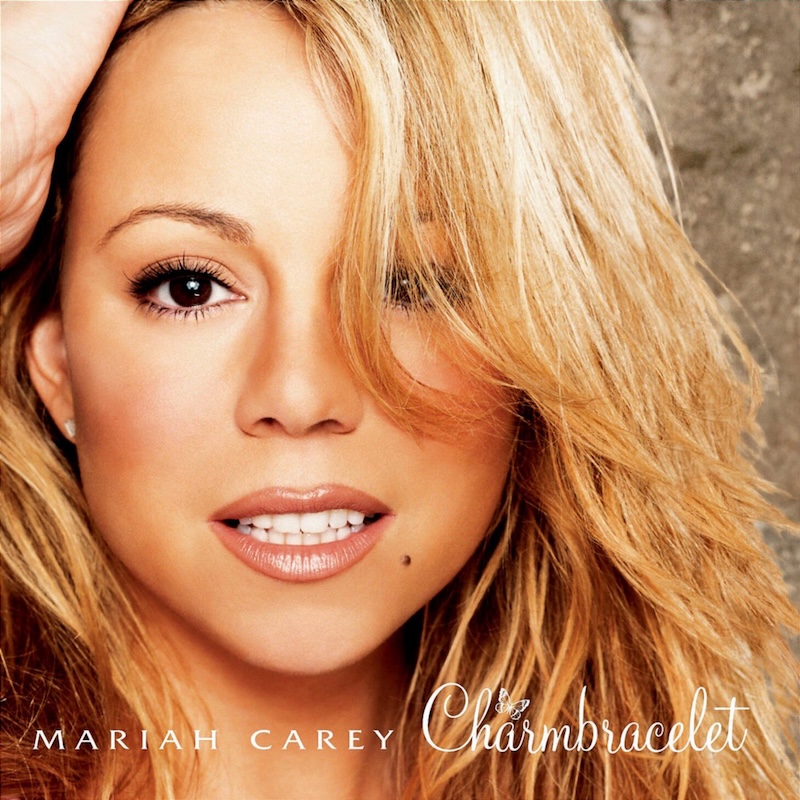
Carey had always typically been canny with her lifting of classic hits. But the chipmunk-voiced hook on Boy (I Need You) had only appeared on guest star Cam’ron’s Top 20 smash Oh Boy six months previously. You Had Your Chance and Subtle Invitation foreshadowed the kind of mumbling, middling R&B that would later swamp her career. And even the typically magnetic Jay-Z sounds practically bored on the soporific hip-pop of You Got Me.
There are a handful of times Carey ventures away from the middle of the road. Answer song Clown, for example, was the first, but certainly not the last, time that Mariah took issue with Eminem’s ungentlemanly claims (“You should’ve never intimated we were lovers/ When you know very well we never even touched”). And while many fans of Def Leppard scoffed at her Bringin’ On The Heartbreak cover – contrastingly, both Joe Elliott and Phil Collen gave it their full seal of approval – her transformation of the hard rock favourite into a slow-burning rock opera is truly something to behold.
Of course, the fact that the vocalist managed to make it back into the studio at all should be applauded.
But far from ninth time the charm, her tentative comeback showed little sign of the dramatic change in creative and commercial fortunes that was just around the corner.
The Emancipation Of Mimi (2005)
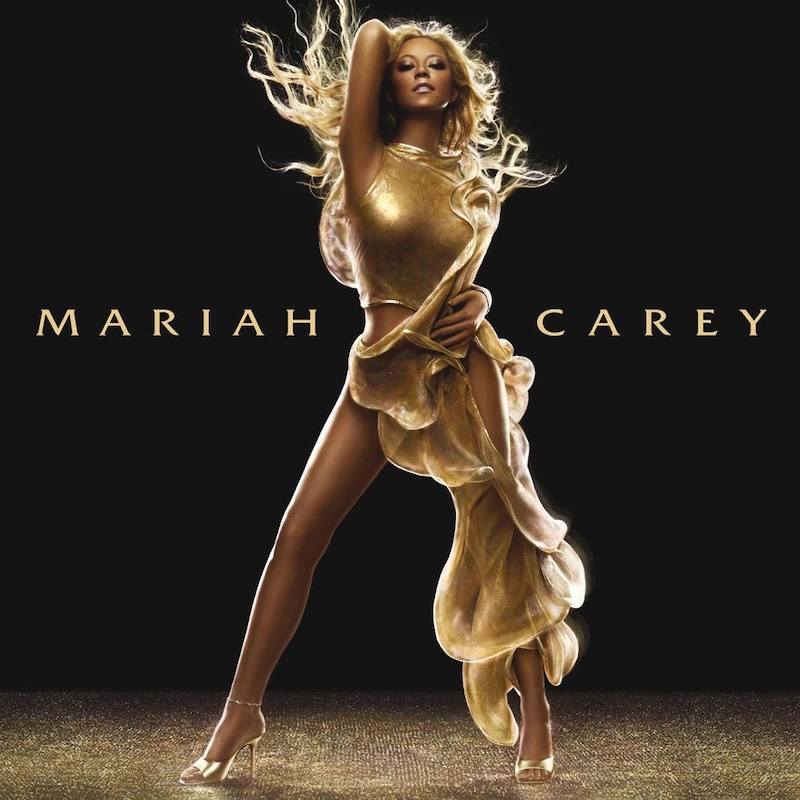
Joining Whitney Houston’s My Love Is Your Love as one of the most astonishing comebacks, The Emancipation Of Mimi sold 10 million copies to become the best-selling album of 2005 in the US, earned eight Grammy nominations (winning three) and spawned a 14-week chart-topper that Billboard later crowned Song of the Decade.
Carey certainly didn’t leave anything to chance, recruiting a who’s who of modern R&B hitmakers to guide her return to form, including The Neptunes for the metallic funk of Say Somethin’ and To The Floor and Kanye West on the Betcha By Golly Wow-interpolating jam Stay The Night. But it was a longtime cohort, Babyface, who provided the standout, with the heartbreak anthem We Belong Together taking up residence atop the Hot 100 for essentially the entire summer.
While the record, which references her own nickname, undoubtedly had one eye on total world-conquering, chart-topping dominance, Carey doesn’t sacrifice the quirks that helped sustain her career beyond the adult contemporary world.
There are 80s samples galore (the slinky Get Your Number borrows from both Imagination and Steve Arrington, while there are several nods to New York’s nascent hip-hop scene).
There’s a gospel devotional featuring bible recitals from her childhood pastor (Fly Like A Bird), while the Fatman Scoop-guesting It’s Like That boasts the truly baffling but iconic couplet, “Caution, it’s so explosive/ Them chickens is ash and I’m lotion.” No one could accuse Carey of jumping on any bandwagons.
“The album is not about making the older executives happy by making a bring-down-the-house, tearjerker ballad,” Carey explained to MTV about the lack of her once-signature style. Indeed, as its title suggests, it is a free-spirited, fun-filled affair which now plays like a greatest hits (Don’t Forget About Us, a cut from its expanded edition, also topped the Hot 100).
Proof that you can never keep an octave-spanning diva down for too long.
E=MC² (2008)
“If it ain’t broke, don’t fix it” appeared to be the mantra for E=MC², which continued Carey’s remarkable trajectory by posting the highest first-week sales of her glittering career. Indeed, practically an official sequel, the diva’s 11th LP once again bridged the gap between pop, hip-hop and R&B while leaning far more towards themes of human biology than quantum physics.
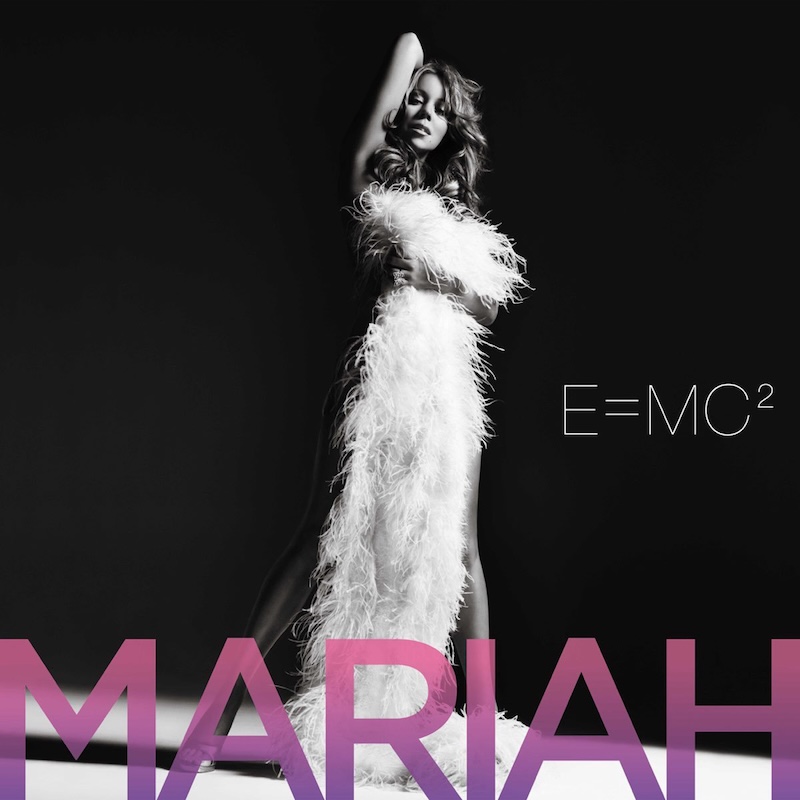
None more so than on Touch My Body, an instructional bedroom jam (“If it’s a camera up in here/ Then I best not catch this flick on YouTube”) whose parodic video showcased Carey’s previously hidden sense of humour. But the DeBarge-sampling I’ll Be Lovin’ U Long Time, Damian Marley-featuring Cruise Control and disco-infused I’m That Chick are also heavily in thrall to the diva’s lascivious side.
She does dig a little deeper on the biblical closer I Wish You Well and Side Effects, the latter hinting that her marriage to Mottola may have been even more traumatic than first expressed.
But footloose and fancy-free are the default modes of a record that gleefully sticks to Carey’s winning formula.
Memoirs Of An Imperfect Angel (2009)
After the all-star line-ups of her previous Noughties records, Carey switched things up for album number 12. Indeed, guest stars are notably absent and it largely hands all production duties to Tricky Stewart and The-Dream. Memoirs Of An Imperfect Angel, therefore, is the diva at her most personal and most cohesive, too.
Carey certainly doesn’t hold back on the feisty boom-bap of Obsessed, another diatribe against The Real Slim Shady (“Got you all fired up with your Napoleon complex/ See right through you like you’re bathing in Windex”). Nor the Love Unlimited-sampling It’s A Wrap, kiss-off Up Out My Face or opener Betcha Gon’ Know in which her unique revenge plan involves exposing a love cheat on Oprah.
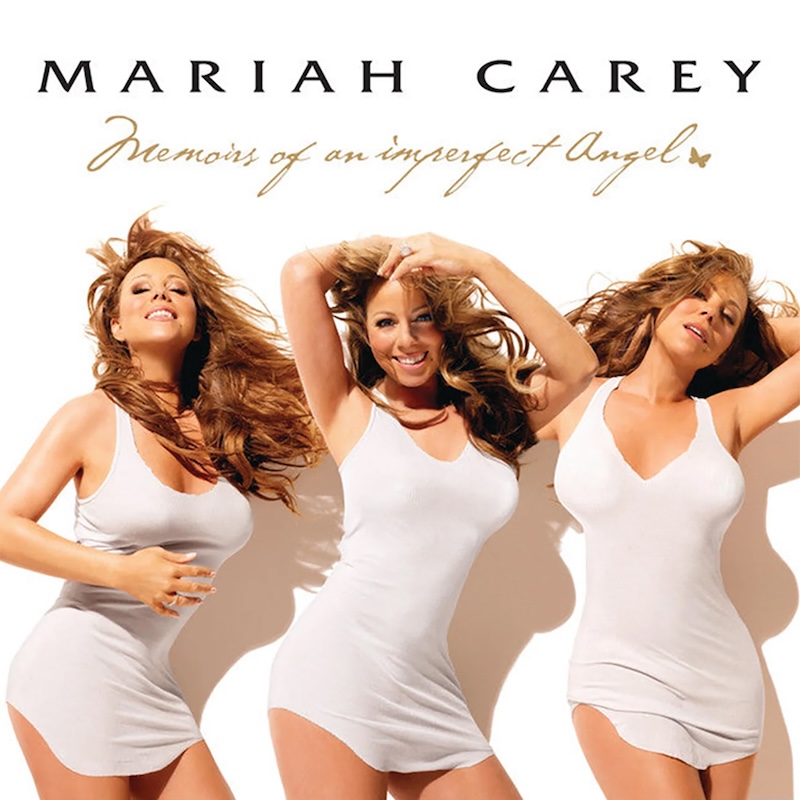
But having just wed her second husband, Nick Cannon, Carey is also in a more romanticised mode, too, whether the sensual The Impossible or latest 80s soft rock cover, in this case Foreigner’s I Want To Know What Love Is.
A few more changes of pace wouldn’t have gone amiss – it’s a shame nothing from the abandoned Timbaland sessions made the cut. But its imperfections are outweighed by its charms.
Merry Christmas II You (2010)
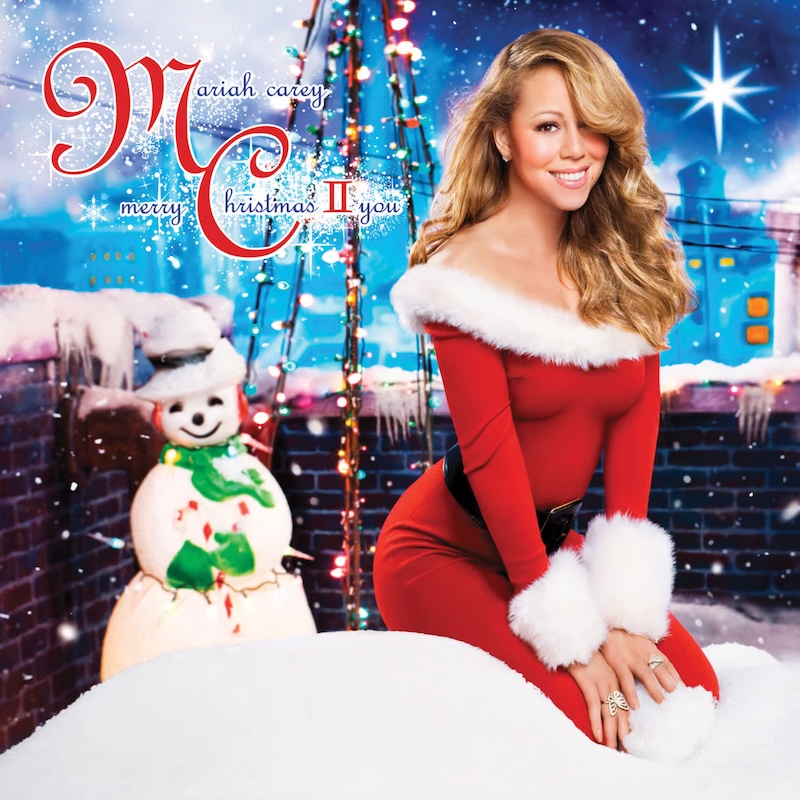
Now fully embracing her Mrs Santa Claus persona, Carey hoped lightning would strike twice with another album of carols, seasonal pop hits and new compositions aiming for that annual payday. The sumptuous orchestral ballad Christmas Time Is In The Air Again is the best of the four originals, although there’s a giddy charm to Oh Santa!, a 60s girl group pastiche which throws in everything but the kitchen sink.
Elsewhere, Mariah’s mother Patricia pops up to lend a hand on O Come All Ye Faithful and Housetop Celebration transports Here Comes Santa Claus and Up On The Housetop to the graffiti-strewn streets of 1980s Harlem in an old-school hip-hop medley. But while its Yuletide predecessor appeared to be made with love, this all feels more like a contractual obligation which relies a little too much on former glories.
Indeed, it’s slightly telling that O Holy Night is taken from a 2000 recording at Los Angeles church the WPC.
There’s a similar “this will do” approach to an ‘Extra Festive’ version of All I Want For Christmas Is You and a god-awful house-lite rendition of Auld Lang Synelikely to have Robert Burns rolling in his grave. Not exactly a lump of coal, but far from the shiniest present under the tree either.
I Am Mariah… The Elusive Chanteuse (2014)
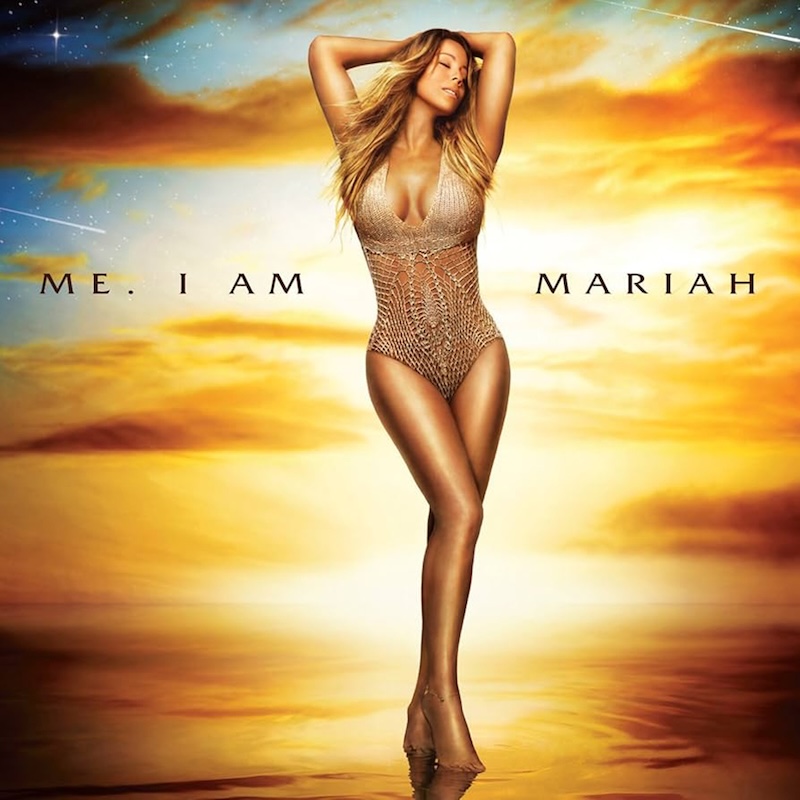
Carey soon returned to the safety net of a larger hit-making team for a 14th album which took her penchant for ridiculous clunky titles to new heights. Alongside regular cohorts Dupri, Rodney Jerkins and Bryan-Michael Cox, Me. I Am Mariah… The Elusive Chanteuse also features guest spots from Nas on Dedicated, Fabolous on Money ($ * / …) and a harmonica-playing Stevie Wonder on Make It Look Good. She even ropes in her own newborn twins to coo on alternative lullaby Supernatural.
But it’s R&B lothario Miguel who turns out to be the album’s greatest asset, his honeyed tones playing off wonderfully against Carey’s on a throwback which sounds like it came fresh from the Stax Records factory. A US No.15 hit, #Beautiful is a strong contender for one of her very best.
A gospel cover of George Michael’s One More Try, showbiz satire Meteorite and self-aggrandising diss track Thirsty (“Best thing that happened to your ass was me”) proved, however, that Carey could still compel entirely on her own.
Caution (2018)
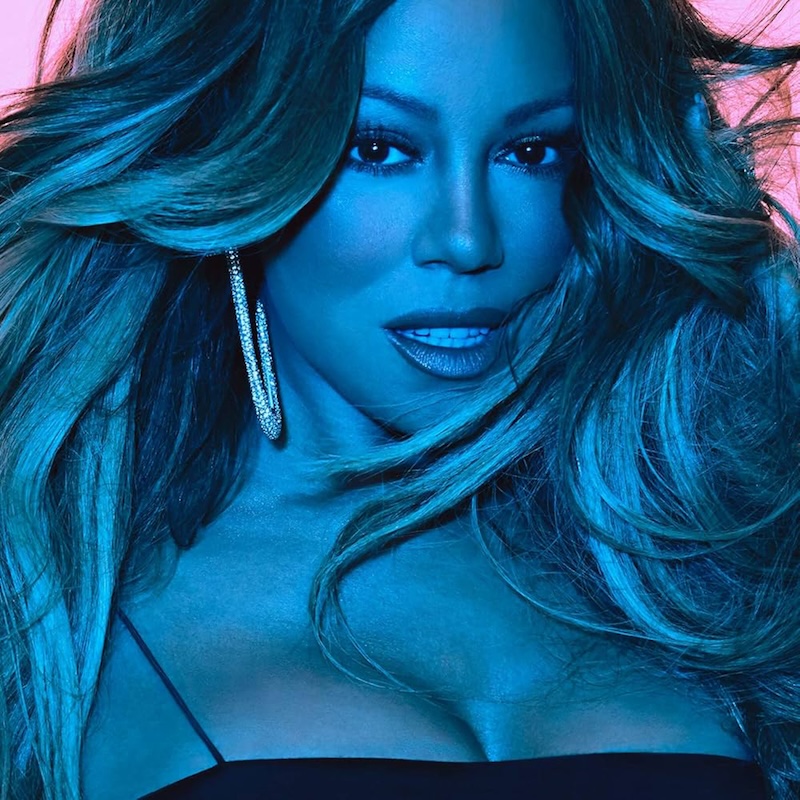
A third official Best Of and a Las Vegas residency risked placing Carey in the realm of heritage act. Yet she bounced back with the freshest and, contrary to its underwhelming sales, most relevant entry in her discography.
From Slick Rick’s languorous rhymes and Dev Hynes’ typically chameleonic production to Carey’s old-school shoutouts (“Feeling myself like I’m Norma Jean”), Giving Me Life, in particular, oozes the kind of Pitchfork-friendly cool that had previously been elusive. Elsewhere, opener GTFO continues her penchant for brutal kiss-offs while giving a Porter Robinson EDM banger an ethereal slow jam twist. The utterly addictive A No No, updates the sassy feminist R&B spearheaded by TLC. And while the input of brostep overlord Skrillex might have rung alarm bells on paper, The Distance proves to be a slick blend of slow-motion beats and cheerleading chants.
Only closer Portrait falls into bad habits as the star bemoans the hardships of being Mariah Carey on a showboating ballad which sounds like it’s been dug up from the 90s vaults. On the whole, however, caution wasn’t needed.
Here For It All (2025)
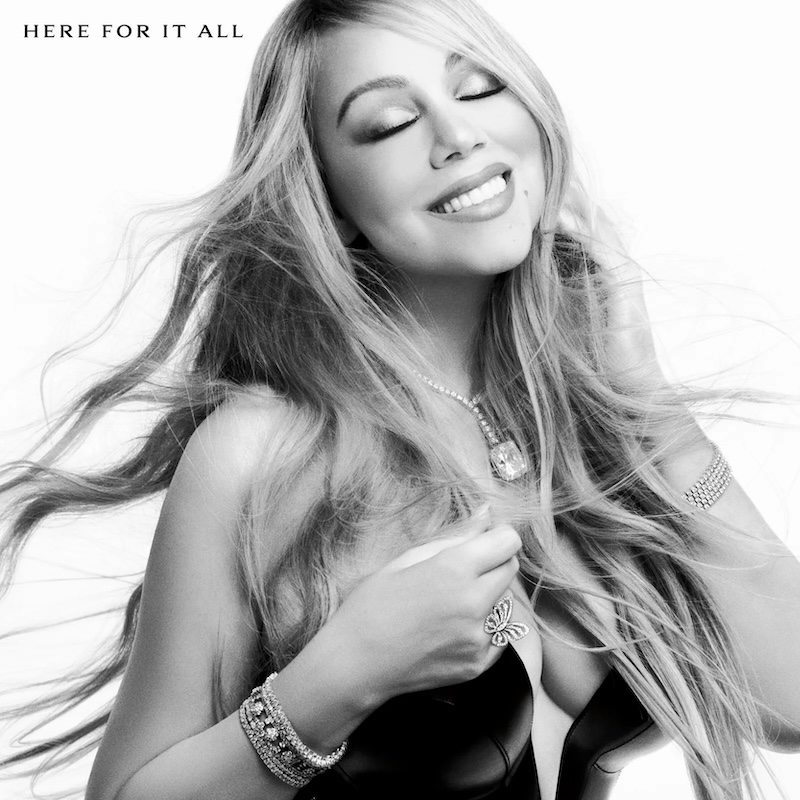
Perhaps it was the disappointing performance of Caution that resulted in her longest-ever studio hiatus – not that fans necessarily noticed her seven-year absence, given that her perennial yuletide favourite All I Want For Christmas Is You returned the singer to the UK Top 5 during each of those years and finally topped the chart for the first time in 2020 – the same year she was inducted into the Songwriters Hall of Fame and published her memoir The Meaning Of Mariah Carey.
Numerous anniversary reissues followed before, in June 2025, she dropped Type Dangerous, the lead single from her 16th LP, Here For It All. Released on 26 September 2025, it is her first album through her own imprint, Mariah, in partnership with media company Gamma as part of a multi-album deal – a move she described to Forbes as “owning my narrative and creating freely on my own terms.”
In the US, Here For It All debuted at No.7 on the US Billboard 200 and was Carey’s 19th Top 10 album on the Billboard 200, surpassing Taylor Swift as the artist with the third-most Top 10s among women. In the UK, it debuted at No.31 and became Carey’s 20th Top 40 album.
Reflecting her personal journey and revelling in summery vibes, it appears Mimi is now fully emancipated.
For more on Mariah Carey click here
Subscribe to Classic Pop magazine here
Classic Pop may earn commission from the links on this page, but we only feature products we think you will enjoy.